Chimney Sweeping And Fire Safety Explained
Chimney sweeping and fire safety explained involves removing soot and debris to prevent chimney fires, with local service providers ready to ensure your home’s safety.
If you’ve been wondering about chimney sweeping and fire safety explained, you’re in the right place. Property owners in the area often explore this topic to better understand how proper chimney maintenance can help prevent fires and ensure their homes remain safe and warm. Whether you’re preparing for the colder months or simply want peace of mind, knowing the basics of chimney care and fire safety can make a significant difference. Local contractors who specialize in chimney sweeping can provide insights and services tailored to your needs, helping you maintain a safe and efficient fireplace or stove.
Continuing to learn about chimney maintenance and fire safety is a practical step for anyone looking to protect their property and loved ones. Regular chimney sweeping is an important part of this process, removing built-up creosote and debris that can pose fire hazards. Service providers in the area are equipped to handle these tasks efficiently, ensuring your chimney functions properly and safely. Exploring this topic further can help you make informed decisions about when and how to keep your chimney in top condition, with local experts ready to assist when needed.
- Chimney cleaning services are often needed when homeowners notice soot buildup or reduced fireplace efficiency, and local contractors typically perform thorough inspections and cleaning to ensure fire safety.
- Fire safety inspections may be sought by those concerned about chimney obstructions or creosote accumulation, with local pros evaluating and advising on proper maintenance practices.
- Chimney repair and restoration services are essential if damage or deterioration is detected, and local service providers approach these projects with careful assessment and appropriate repair techniques.
- Emergency chimney services might be required after a chimney fire or damage, with local contractors providing prompt assessments and repairs to restore safety and functionality.
- Annual chimney sweeping and safety checks are recommended for regular fire safety, with local pros offering scheduled inspections to prevent fire hazards and ensure proper operation.
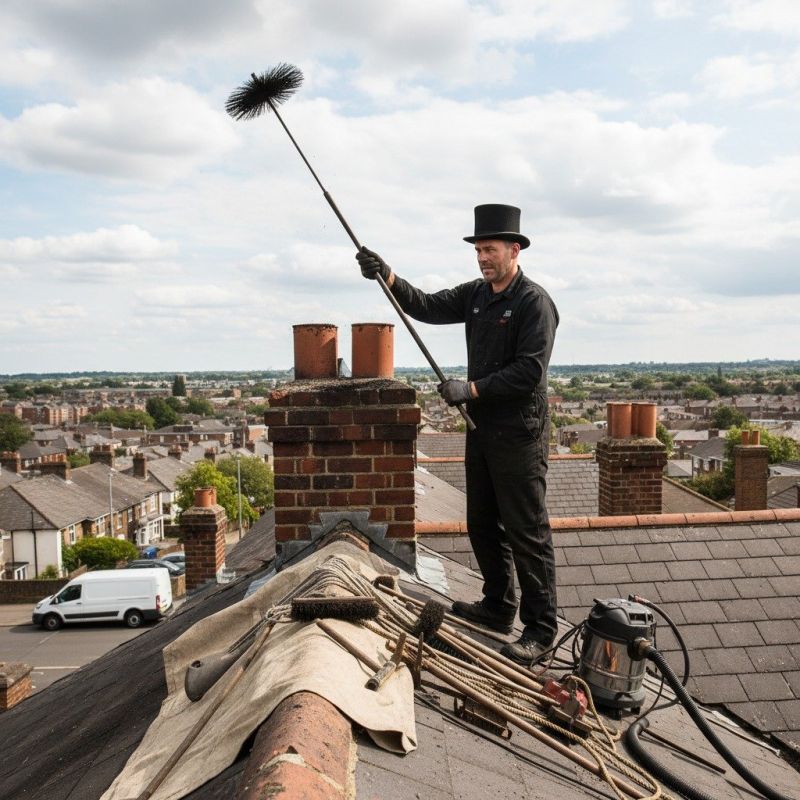
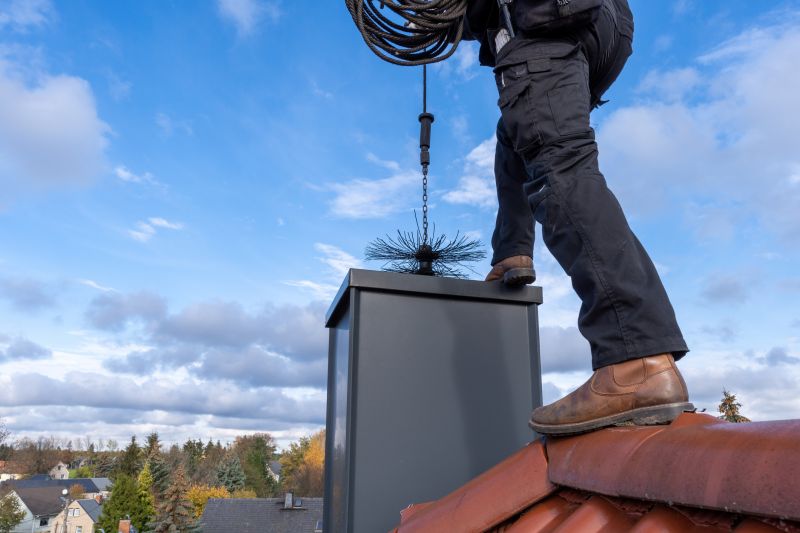
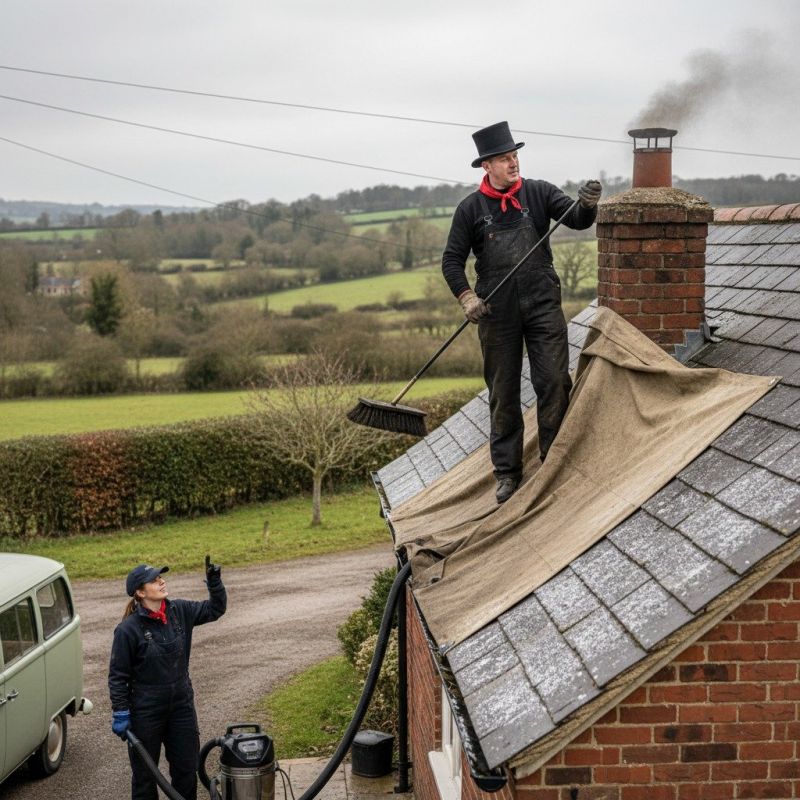
Chimney sweeping and fire safety explained often come up when homeowners are considering the maintenance and safety of their fireplaces, wood stoves, or heating systems. When people search this topic, they typically want to understand how regular chimney cleaning can prevent dangerous buildup of creosote, soot, and debris that can lead to chimney fires. Additionally, many are seeking information on how proper chimney care can improve the efficiency of their heating appliances and reduce the risk of smoke or carbon monoxide entering the home. This search reflects a concern for safety, home preservation, and ensuring the heating system operates reliably during colder months.
This topic is closely related to a variety of problems and planning efforts around home safety and maintenance. For example, homeowners might notice reduced airflow, unpleasant odors, or smoke backing into the house, prompting a search for fire safety and chimney cleaning solutions. Others may be preparing for seasonal use of fireplaces or wood-burning stoves and want to ensure their systems are clean and safe before lighting the first fire. Regular chimney sweeping by experienced service providers helps address these issues by removing creosote buildup, preventing blockages, and ensuring that the chimney functions as intended, which is essential for fire safety and efficient operation.
The types of properties that typically come up in discussions about chimney sweeping and fire safety include single-family homes, especially those with wood-burning fireplaces or stoves, as well as multi-family buildings with shared or individual chimneys. Older homes with traditional masonry chimneys often require more frequent inspections and cleanings due to their construction materials and design. Newer homes with factory-built or prefabricated chimneys also benefit from regular maintenance, especially if they are used seasonally or heavily. Commercial buildings or rental properties with fireplaces or heating systems that rely on chimney venting may also need professional services to maintain safety standards and code compliance.
Understanding how chimney sweeping fits into fire safety plans helps homeowners connect the dots between routine maintenance and the prevention of fire hazards. Local service providers can assess the condition of a chimney, remove dangerous creosote deposits, and identify potential issues like cracks or obstructions that could compromise safety. By working with experienced contractors, homeowners can better ensure their heating systems are operating safely and efficiently. This connection emphasizes the importance of professional chimney cleaning as a key part of a comprehensive fire safety strategy, making it easier for homeowners to keep their properties safe and their heating systems in good working order.
Fireplace Installation - Professionals in fireplace installation often work with chimney systems, ensuring proper venting and safety measures aligned with fire safety explained practices.
Gas Line Services - Installing and inspecting gas lines requires knowledge of venting and combustion safety, similar to chimney sweeping and fire safety procedures.
Attic Insulation and Ventilation - Proper attic ventilation helps prevent chimney fires by reducing heat buildup, making it a related skill area for fire safety and chimney maintenance.
Duct Cleaning and Ventilation - Cleaning air ducts involves similar tools and planning as chimney cleaning, focusing on removing hazards that could contribute to fire risks.
Fireplace and Stove Repair - Repair services for fireplaces and stoves often include inspection of venting systems, closely related to the safety practices in chimney sweeping.
Home Safety Inspections - General safety inspections include checking chimney and venting systems, ensuring fire safety measures are properly maintained by local contractors.
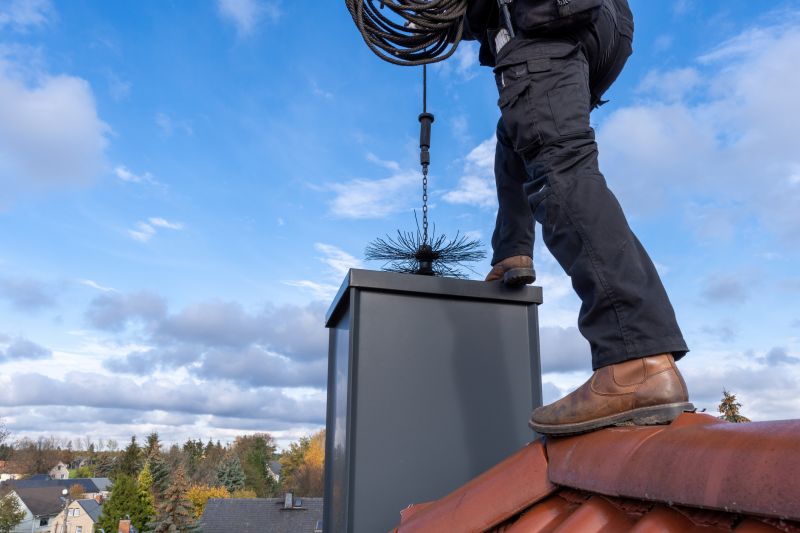
When evaluating chimney sweeping and fire safety services, it is important to consider the experience of local contractors with similar projects. An experienced service provider will have a solid understanding of different chimney types, common issues, and effective cleaning techniques that contribute to thorough fire safety measures. Asking about the duration of their experience and their familiarity with various chimney systems can help ensure the provider has the practical knowledge needed to handle your specific needs safely and effectively.
Clear written expectations are essential when choosing a chimney sweeping service. A reputable local contractor should be able to provide a detailed scope of work, outlining what the cleaning process will include and any additional safety checks or maintenance recommendations. Having this information in writing helps prevent misunderstandings and ensures that both parties are aligned on the services to be performed, which is especially important when addressing fire safety concerns related to chimney buildup and potential hazards.
Reputable references and good communication are key indicators of a reliable service provider. Local contractors with a history of satisfied clients can offer insights into their professionalism and the quality of their work. Additionally, clear and responsive communication throughout the process - from initial inquiries to follow-up - helps ensure that questions are answered and expectations are managed properly. This level of engagement can contribute to a smoother experience and greater confidence that the chimney sweeping and fire safety services will meet the homeowner’s needs.
Property owners often search for chimney sweeping and fire safety explained when they are planning practical projects around their homes and businesses. Local pros provide Chimney Sweeping services for everyday jobs and straightforward project options.
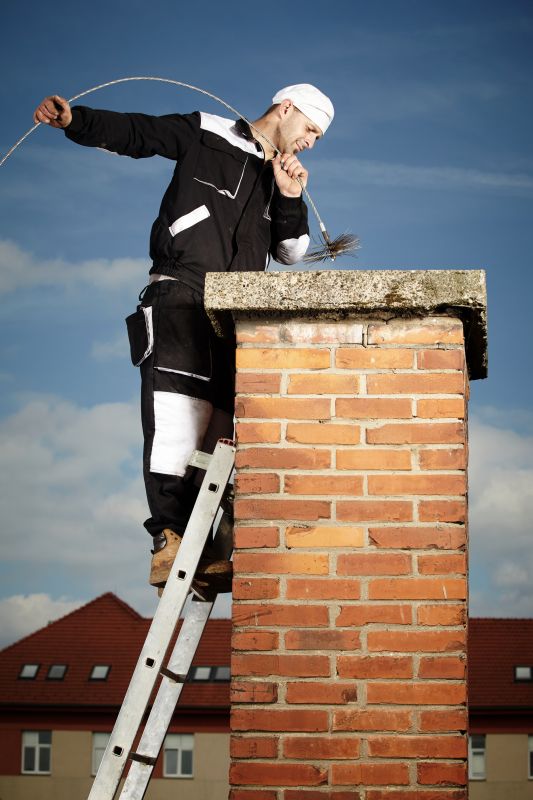
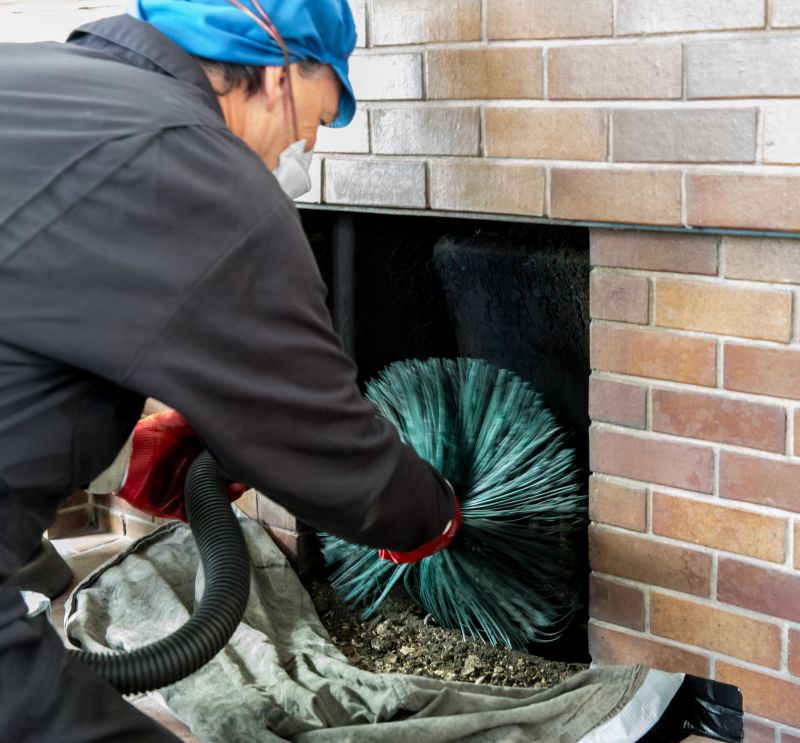
Homeowners in the area often seek information about chimney sweeping and fire safety to ensure their properties are safe and well-maintained. Regular chimney cleaning helps prevent the buildup of creosote and debris, which can pose fire hazards, especially during the colder months when fireplaces and wood stoves are in frequent use. Many property owners look into this topic after noticing decreased fireplace efficiency or experiencing a smoky smell, prompting them to explore professional chimney sweeping services to keep their homes secure and functioning properly.
Local contractors who specialize in chimney sweeping and fire safety can provide essential services that support safe heating practices. These service providers are equipped to thoroughly clean chimneys, inspect for potential issues, and advise on best practices for fire prevention. Property owners often consider hiring these professionals to ensure their chimneys are free of obstructions and to reduce the risk of chimney fires, making it easier to enjoy a warm, cozy home with peace of mind.
What is chimney sweeping and why is it important for fire safety? Chimney sweeping involves removing soot, creosote, and debris from chimney flues to prevent blockages and reduce fire risk. Proper chimney maintenance ensures safe operation of fireplaces and stoves, helping to protect homes from potential fires.
How do chimney sweeping services contribute to fire safety? Local contractors perform thorough cleaning of chimneys, which helps eliminate flammable buildup and ensures proper venting. Regular chimney sweeping reduces the likelihood of chimney fires and improves overall safety when using fireplaces or heating appliances.
What role does chimney inspection play in fire safety? Inspections identify potential hazards such as cracks, obstructions, or creosote buildup that could cause fires. Service providers can recommend necessary repairs or cleaning to maintain safe chimney operation and prevent fire incidents.
Are there specific signs that indicate the need for chimney sweeping? Signs include smoke backing up into the home, a strong odor when the fireplace is in use, or visible soot and creosote deposits around the fireplace. Consulting local pros for an inspection can determine if chimney sweeping is needed for fire safety.
How often should chimney sweeping and inspections be performed for safety? It is generally recommended to have chimneys swept and inspected at least once a year, especially if the fireplace or stove is used frequently, to maintain fire safety and proper ventilation.
Schedule regular chimney inspections - arranging periodic inspections with local contractors helps identify build-up or damage that could pose fire risks.
Implement fire safety measures - applying recommended safety practices, such as installing smoke detectors, can enhance overall fire prevention in the home.
Learn proper chimney use - understanding safe burning techniques and avoiding flammable materials can reduce the chance of chimney fires.
Maintain clear surrounding areas - keeping the area around the chimney free of debris and combustible materials supports fire safety efforts.
If you are thinking about chimney sweeping and fire safety explained for a property, this guide is meant to help you understand this topic, the typical project types, and how different options might fit your plans.
When you are ready, you can use the quote form on this page to share a few details about your project. From there, local pros can review the basics and follow up with options that match what you have in mind.